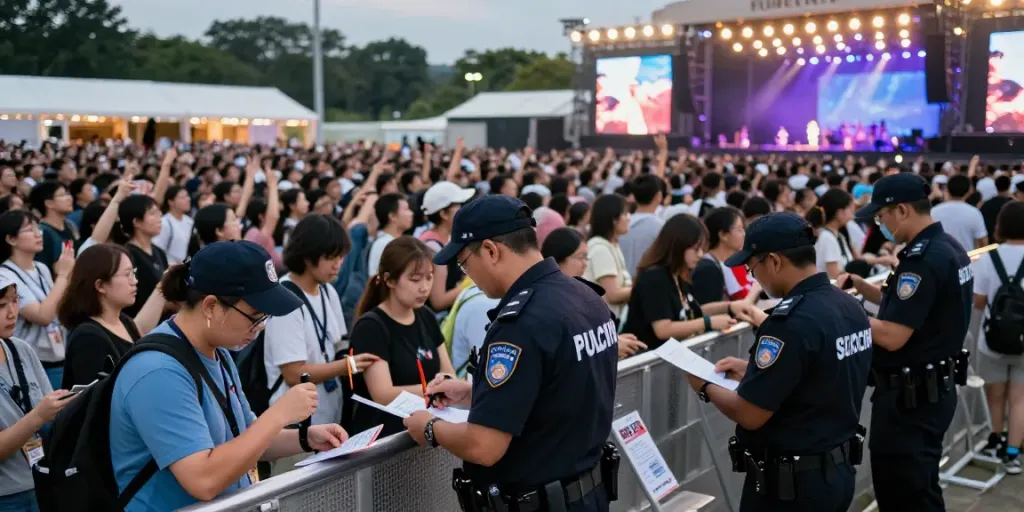
Understanding Event Security: What You Need to Know
Event security is an essential aspect of organizing any gathering, from intimate celebrations to large-scale festivals. It encompasses a range of strategies and services designed to ensure the safety of attendees, staff, and venue property. In today's dynamic environment, the importance of reliable and professional Event Security solutions cannot be overstated. Effective event security helps mitigate risks, ensures compliance with local regulations, and enhances the overall experience by providing a safe atmosphere where participants can focus on the event itself.
Definition and Importance of Event Security
Event security refers to the measures employed to protect attendees, performers, staff, and property during an event. These measures can include crowd management, access control, surveillance, and emergency response strategies. The significance of robust event security lies in its ability to prevent security breaches, manage emergencies, and enhance overall guest experience. With increasing concerns about safety and security at public events, the demand for professional event security services continues to grow.
Key Roles and Responsibilities in Event Security
The roles involved in event security can vary depending on the type and scale of the event. Some of the key responsibilities typically include:
- Event Coordinator: Oversees the overall security plan, coordinates with local law enforcement, and ensures all staff are briefed on their roles.
- Security Personnel: Trained professionals who manage access points, monitor crowds, and respond to any disruptive incidents. Their presence serves as a deterrent to potential troublemakers.
- Medical Staff: Provides immediate medical assistance in case of health emergencies, ensuring attendee safety and prompt response to any incidents.
- Crowd Management Team: Focuses on controlling the flow of attendees, ensuring that crowds are managed effectively to prevent overcrowding and bottlenecks.
- Communications Team: Manages communication among all personnel during the event to ensure a coordinated security effort.
Types of Events Requiring Security Solutions
Various types of events require tailored security solutions. Common examples include:
- Concerts and Festivals
- Corporate Events
- Sporting Events
- Weddings and Private Parties
- Trade Shows and Conventions
- Public Gatherings and Demonstrations
How to Choose the Right Event Security Provider
Selecting the right event security provider is crucial for the success and safety of your event. Here are some key criteria to consider:
Criteria for Selecting a Local Security Company
When choosing a local security company, consider the following criteria:
- Experience: Look for a company with a proven track record in event security, ideally with experience in similar types of events.
- Licensing and Accreditation: Ensure the company is licensed and accredited by relevant authorities, such as the Security Industry Authority (SIA) in the UK.
- Reputation: Check online reviews and testimonials from past clients to gauge the provider's reliability and professionalism.
Importance of Certifications and Licensing
In the security industry, certifications and licensing are critical indicators of a company's professionalism and commitment to quality. Certifications such as SIA accreditation demonstrate that security personnel have undergone rigorous training and meet industry standards. Verify that your chosen security provider holds all necessary licenses.
Evaluating Experience and Client Testimonials
Request case studies and references from previous clients to assess the company's capability in handling events of similar scale and scope. Experienced providers often have strong networks within the local area and can provide valuable insights on navigating potential challenges.
Event Security Pricing: Understanding Costs
Understanding the costs associated with event security is essential for effective budgeting. Security pricing can vary widely based on various factors, which will be elaborated upon in this section.
Average Rates for Event Security Services
The cost of hiring event security services can vary significantly depending on the scale and requirements of your event. Generally, security companies charge between £12 and £25 per hour for basic guarding services. More specialized services, such as high-level close protection or event-specific security, can incur higher rates.
Factors Influencing Security Costs
Several factors can influence the total cost of your event security services, including:
- Event Size and Type: Larger events typically require more security personnel and resources.
- Location: The venue's location may impact rates, especially in high-demand areas.
- Duration: Longer events may incur higher costs, particularly if they require additional personnel or resources.
- Required Services: Additional services such as risk assessment, emergency medical support, and specialized equipment can also affect total costs.
Budgeting Tips for Event Security
When planning your event budget, consider the following tips:
- Obtain quotes from multiple security providers to compare offerings and prices.
- Consider bundling services for potential discounts.
- Factor in contingency funds for unexpected situations.
- Clearly outline your expectations and the specific services required to avoid any hidden fees.
Legal Considerations for Event Security Services
Understanding the legal framework surrounding event security is essential for compliance and risk management.
Licensing and Insurance Requirements
Ensure that your security provider is fully licensed and insured to operate in your area. This protects both you and your guests in the event of an incident.
Local Regulations Impacting Event Safety
Familiarize yourself with any local laws that govern event safety and security. Compliance with these regulations is vital to avoid legal repercussions.
Compliance with Industry Standards
Your security provider should adhere to industry standards, particularly those set by the SIA. Regular audits and assessments are indicators of a company's commitment to maintaining high operational standards.
Preparing for Your Event: Security Planning Tips
A well-prepared security plan is essential for the success and safety of your event. Consider the following steps in your planning process:
Pre-Event Risk Assessment Strategies
Conducting a thorough risk assessment prior to the event is key to identifying potential vulnerabilities. Factors to assess include:
- Venue layout and access points
- Expected crowd size and demographics
- Nature of the event and any potential conflicts
- Emergency scenarios and response plans
Emergency Preparedness and Response Plans
Develop clear emergency preparedness and response plans to address various scenarios, ensuring that all staff are familiar with their roles in case of an emergency.
Post-Event Security Debriefing
After the event, hold a debriefing session with your security team to review what worked and what could be improved for future events. For more information, Event Security offers valuable insights. Assess feedback from attendees to gauge the effectiveness of security measures implemented.